
.jpg)
The Philippines
GEOGRAPHY
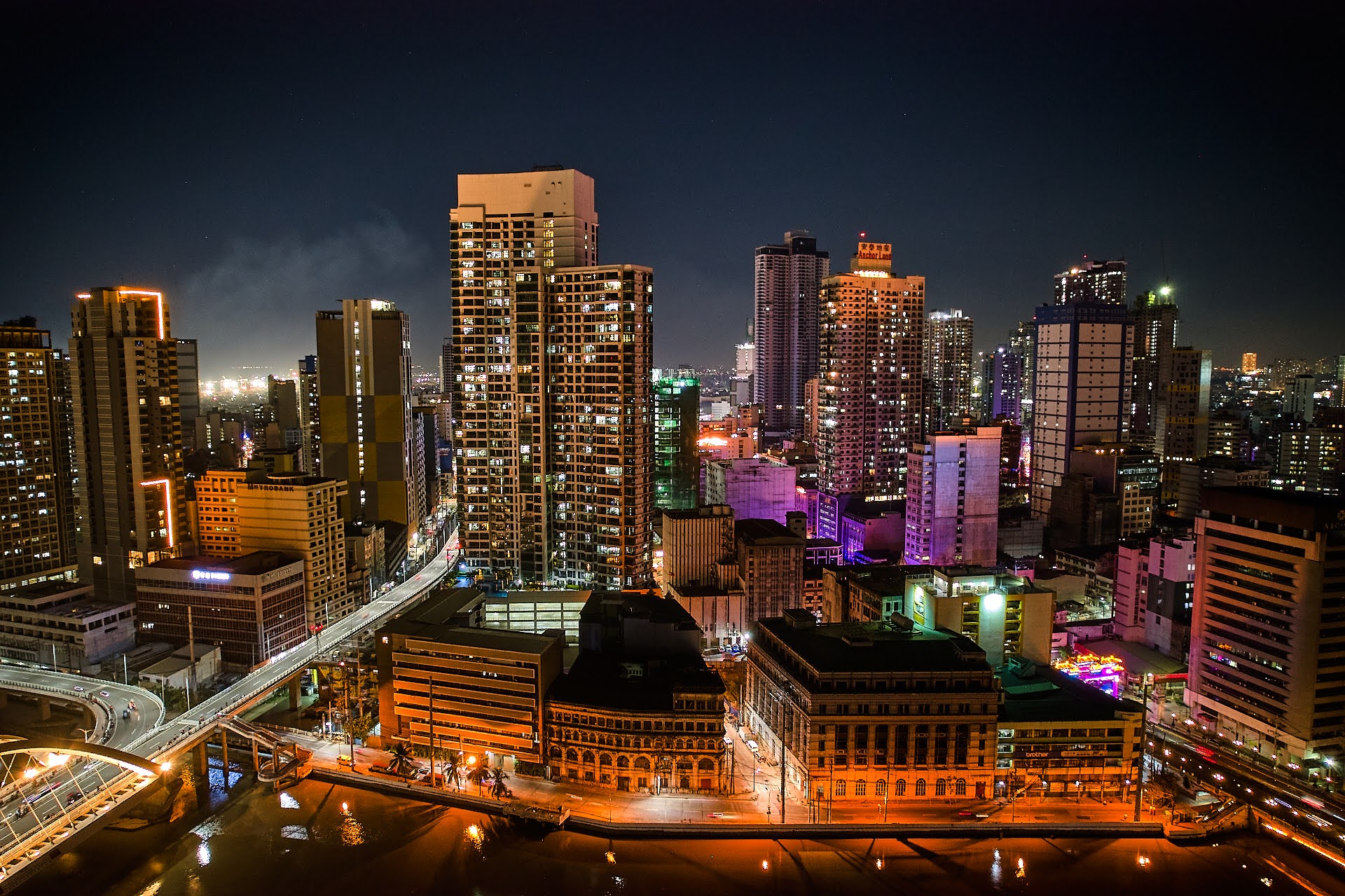
The Philippines, officially known as the Republic of the Philippines, is an archipelagic country in Southeast Asia located in the western Pacific Ocean. It is composed of more than 7,600 islands, which are broadly grouped into three main geographical regions: Luzon, Visayas, and Mindanao. The country has a land area of approximately 300,000 square kilometers and a population of over 110 million people, making it one of the most populous nations in Asia. The capital city is Manila, while Filipino and English serve as the official languages.
HISTORY
Philippine history reflects centuries of indigenous development, regional trade, colonial rule, and the eventual emergence of an independent nation. Prior to European contact, the islands that now form the Philippines were inhabited by diverse Austronesian-speaking communities engaged in agriculture, fishing, and extensive trade with neighboring societies in Southeast Asia, China, and the Indian Ocean region.
Spanish colonization began in 1565 following the arrival of the expedition led by Ferdinand Magellan in 1521, which marked the first recorded contact between Europeans and the archipelago. Spanish rule lasted more than three centuries and introduced Christianity, centralized governance, and new economic and cultural systems that significantly shaped Philippine society (National Historical Commission of the Philippines).
In the late nineteenth century, nationalist movements emerged, culminating in the outbreak of the Philippine Revolution in 1896 against Spain. Although Spain eventually ceded the Philippines to the United States after the Treaty of Paris (1898), Filipino leaders continued to pursue independence. The country later experienced Japanese occupation during World War II before finally achieving full independence on July 4, 1946.
GOVERNMENT
The Philippines operates under a democratic and republican system of government as established by the 1987 Constitution of the Philippines. It is a unitary presidential constitutional republic with powers divided among three branches: the executive, legislative, and judicial. The executive branch is headed by the President, who serves as both head of state and head of government. The legislative branch is vested in the Congress of the Philippines, a bicameral body composed of the Senate of the Philippines and the House of Representatives of the Philippines. The judicial branch, led by the Supreme Court of the Philippines, interprets the Constitution and ensures that laws are applied in accordance with it.
TOURISM
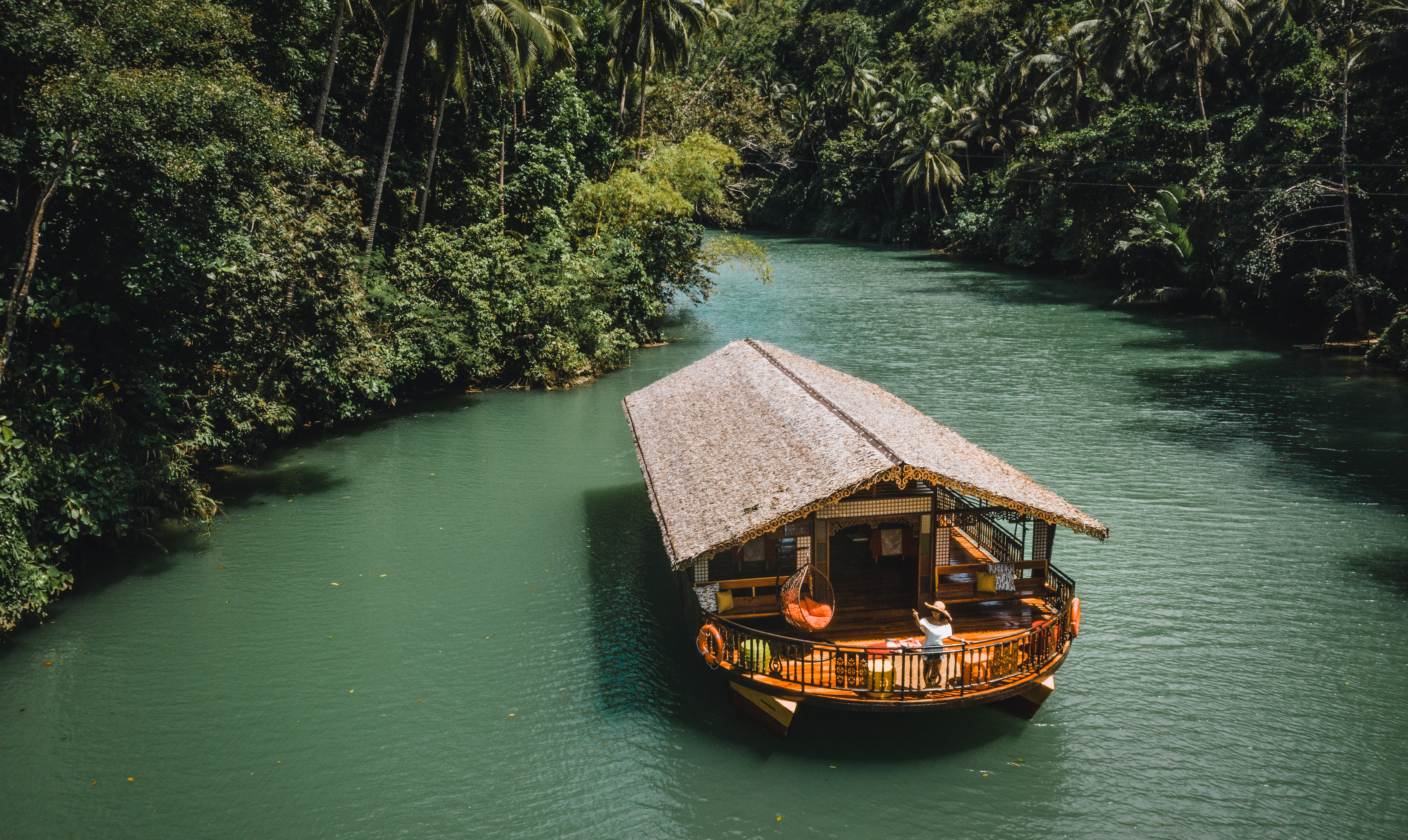
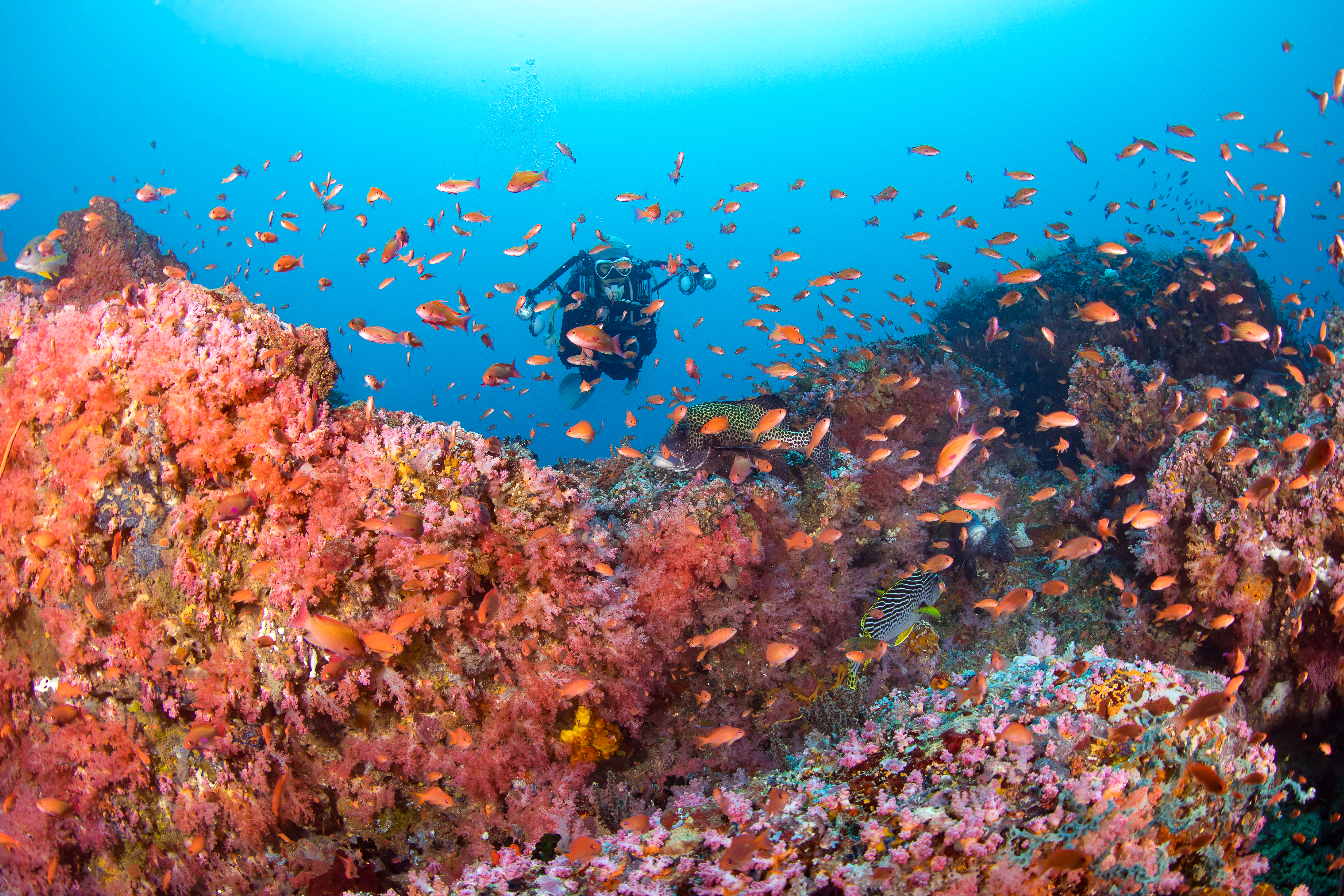
Tourism plays a significant role in the country’s economy. The Philippines is known for its diverse natural attractions, including white-sand beaches, coral reefs, tropical forests, and rich marine biodiversity. Popular destinations include Boracay, renowned for its powdery white sand beaches; Palawan, home to the Puerto Princesa Subterranean River National Park, a UNESCO World Heritage Site; and Cebu, which combines historical landmarks with vibrant island tourism. These attractions, together with the country’s cultural heritage and renowned Filipino hospitality, contribute to the Philippines’ growing reputation as a premier travel destination in Asia.
CULTURE
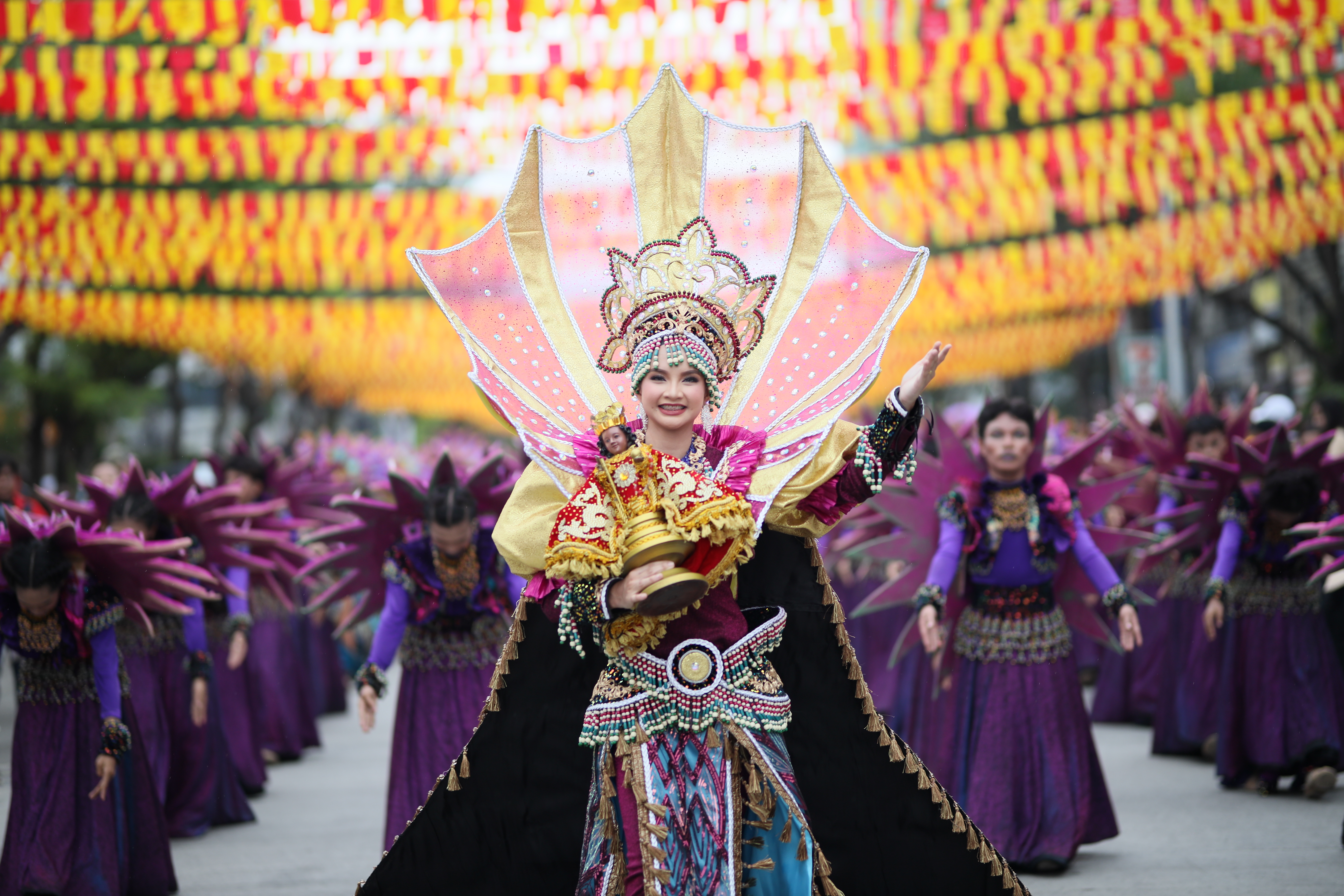
Philippine culture reflects a rich blend of indigenous traditions and foreign influences developed through centuries of interaction with neighboring Asian societies and Western colonizers. As an archipelago of more than 7,000 islands, the Philippines is home to diverse ethnolinguistic groups whose languages, customs, and traditions contribute to a vibrant cultural landscape. Indigenous Austronesian heritage, along with historical connections with China and Southeast Asia and colonial influences from Spain and the United States, have shaped many aspects of Filipino identity, social practices, and artistic expression (National Commission for Culture and the Arts, 2023).
Family and community are central to Filipino culture. Strong kinship ties, respect for elders, and collective support systems guide social relationships. Values such as bayanihan—the spirit of communal unity and cooperation—reflect the importance of helping one another within the community. Religion also plays a major role in Filipino cultural life, with Roman Catholic traditions influencing festivals, rituals, and everyday practices across the country
ECONOMY
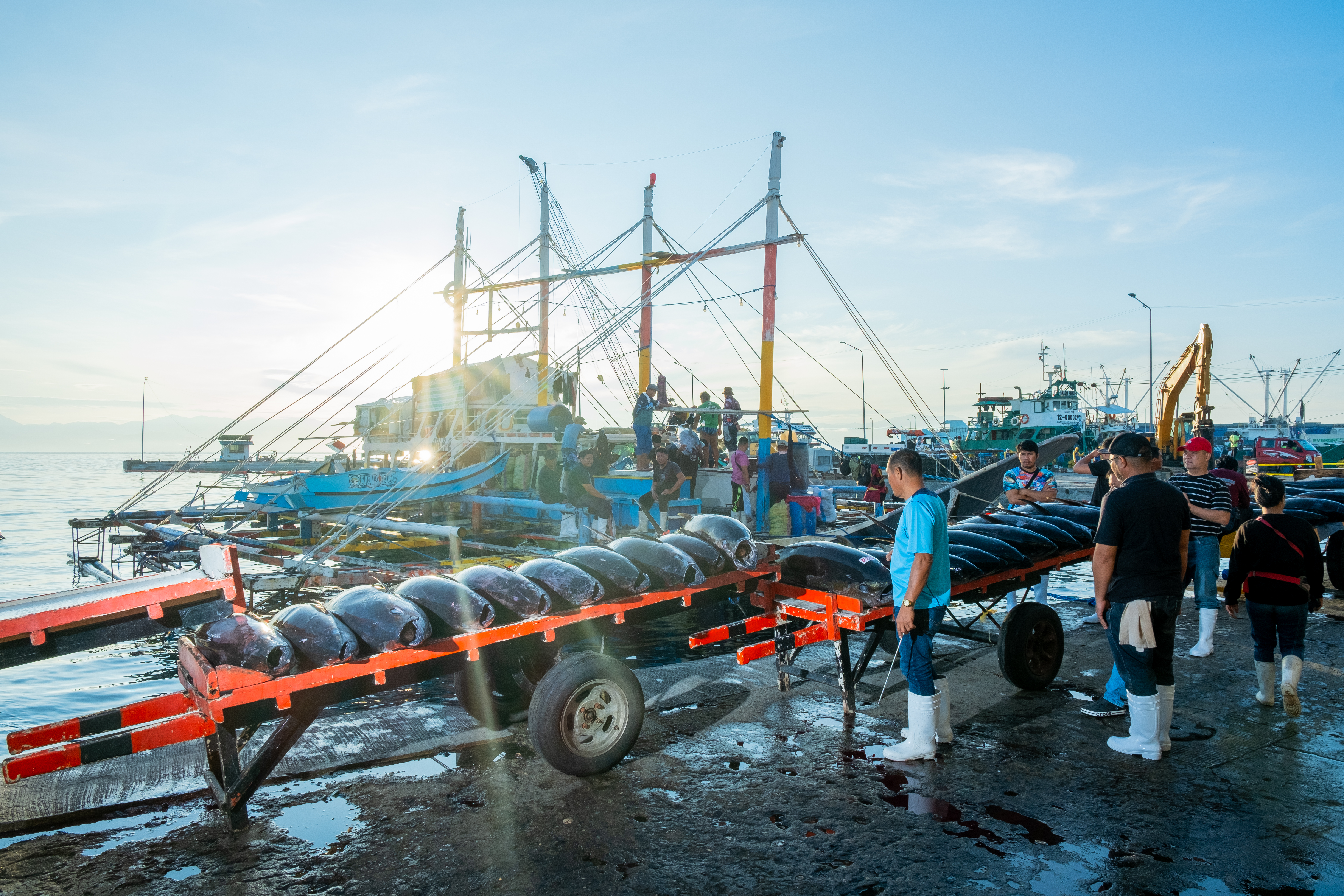
The Philippine economy is one of the fastest-growing economies in Southeast Asia, driven by a combination of services, industry, and agriculture. The services sector including business process outsourcing (BPO), finance, tourism, and retail accounts for the largest share of the country’s gross domestic product (GDP), followed by industry and agriculture. Economic growth has been supported by strong domestic consumption, overseas Filipino remittances, and expanding trade and investment.
The Philippines has also developed into a major global hub for outsourcing services, particularly in call centers and information technology support. Government reforms, infrastructure development, and a young, skilled workforce continue to contribute to economic growth and regional integration in Asia.